Play to Win: Evidence‑Backed Monopoly Strategies
From opening moves to endgame pressure, this playbook gives you structured methods to outpace opponents with smart acquisition, calculated risk, and irresistible deals.
Start Learning
Core Principles
Cashflow First
Prioritize steady rent streams early. Build a portfolio that turns every opponent lap into income. Keep at least 10–20% of total asset value in cash to survive bad dice streaks.
3‑House Power Spike
Aim for three houses per property group. It’s the best rent‑to‑investment ratio. Upgrade wide and evenly before pushing hotels.
Leverage Trading
Deals create monopolies. Trade to complete color sets even if you slightly overpay—timing and cash safety decide the winner, not raw list value.
Beginner Strategies: Building a Strong Foundation
Monopoly may seem like a game of luck, but beginners quickly learn that decisions matter just as much as dice rolls. These strategies will help you survive and thrive in your first games.
Buy Almost Everything You Land On
Early in the game, ownership is more important than selectivity. The more properties you control, the higher your chances of creating monopolies later.
Railroads Are Gold Mines
Owning all four railroads creates consistent cash flow. Even partial ownership makes opponents think twice about trades.
Don’t Blow Cash on Utilities
Electricity and Water look tempting but rarely deliver high returns. Unless you own both, skip them and save for better properties.
Prioritize Expansion Over Savings
Hoarding money feels safe, but properties and houses win games — not unspent cash.
👉 Beginner Tip: Always balance your money between property purchases and house building. Without houses, you’ll never pressure your opponents.

Opening Moves Blueprint
-
Buy almost everything on the first lap except cash‑draining utilities if you’re under 150 in cash after purchase.
-
Prioritize Orange and Red sets—they receive the highest mid‑game traffic after Jail.
-
Avoid railroads overpay unless you can secure three+ quickly; otherwise they’re support income, not a win condition.
-
Stop at 200–250 cash minimum before high‑risk tiles to prevent forced mortgages.
Portfolio Priorities

Orange > Red > Light Blue
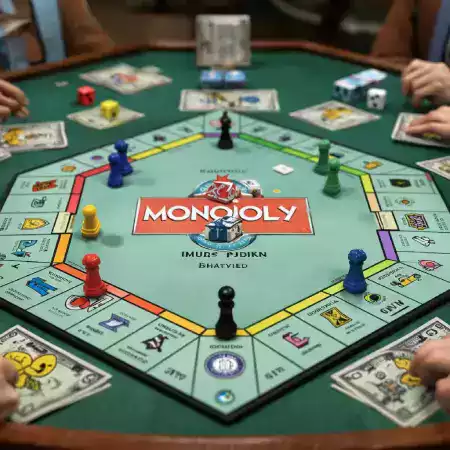
Orange (St. James–Tennessee–New York) offers elite landing odds from Jail. Red punishes mid‑game rotations. Light Blue is the fastest early snowball due to cheap houses.
Defensive Upgrades
If an opponent prepares a dangerous set, upgrade your nearest threat corridor to 3 houses to deter trades and force caution.

Hotel Timing
Only convert to hotels when house bank limits block opponents or when your cash cushion remains above two dangerous rents.
After a card grid, always process insights: upgrade evenly, protect cash, pressure lanes with highest traffic, and delay hotels until they lock the board.
Advanced Tactics: Playing Like a Pro
Once you’ve mastered the basics, it’s time to sharpen your edge. Advanced Monopoly is all about timing, statistics, and resource control.
Focus on High-Traffic Properties
Studies of dice probability show that the Orange and Red sets are landed on most frequently. Owning these can swing the game in your favor.
The 3-House Strategy
Building three houses per property is often better than upgrading to hotels. This creates maximum rent pressure while leaving fewer houses in the supply — choking your opponents’ progress.
Smart Mortgaging
Mortgage low-value properties to invest in housing for high-value ones. Short-term sacrifices create long-term dominance.
Trade for Complements, Not Cash
Savvy players trade to complete sets, not to earn quick money. Creating monopolies is always worth more than a temporary pile of cash.
👉 Pro Tip: Timing is everything. Don’t rush into trades until you can create immediate rent pressure with houses.
Trading & Negotiation Rules
-
Always price by rent threat, not list value. A near‑complete Orange is worth more than two scattered Yellows.
-
Bundle relief: offer cash + safe property for a high‑threat tile; use time pressure when opponents face an upcoming danger lane.
-
Exchange mortgages strategically: take mortgaged tiles if it completes your set and you can unmortgage within two turns.
-
Structure deals with staged payments or rent immunity for N turns to break deadlocks.

Negotiation & Psychology: Winning the Mind Game
Monopoly is as much about people as it is about properties. Mastering negotiation can turn an average player into a champion.
Bluffing in Trades
Pretend to need one property while secretly targeting another. Keeping opponents distracted is half the battle.
Control the Table Narrative
Talk about the “leader” to shift focus away from yourself. If everyone gangs up on the wrong person, you gain breathing room.
Offer Win-Win Trades That Favor You
The best deals don’t look one-sided — but they always benefit you more. Package multiple small offers to disguise your true gain.
Know When to Say No
Refusing trades can be just as powerful as making them. Don’t feed your rivals the last piece of their monopoly.
👉 Psychology Tip: Watch body language. Excitement over a card can reveal what your opponents truly want.
Cashflow & Risk Management
Safe Cushion
Maintain cash to survive two worst‑case rents on the board. If the largest danger is 900, keep >900 before crossing that arc.
Mortgage Discipline
Mortgage low‑impact tiles first to unlock upgrades on your high‑traffic sets. Unmortgage only when cashflow stabilizes.
Risk Windows
Invest aggressively right after passing GO or entering Jail—two turns of lowered danger make upgrades safer.
Mistakes to Avoid: Common Traps for All Players
Trading with the Leader
Never give properties to the player in the best position. Even if it benefits you short-term, it accelerates their win.
Overbuilding Hotels
Hotels look flashy, but they remove houses from the board and allow others to build. Stick to 3-house pressure whenever possible.
Ignoring Ports of Income
Railroads and mid-tier properties (like Oranges) often outperform flashy high-rent sets like Boardwalk. Don’t be blinded by prestige.
Poor Cash Management
Spending too aggressively leaves you unable to pay rents. Saving too much prevents you from building. Balance is the key.
👉 Golden Rule: If a move looks spectacular but weakens your long-term control, skip it. Monopoly is a marathon, not a sprint.